
September 27, 2026
How to Recover from a Ransomware Attack: An SMB PlaybookLearn how to recover from a ransomware attack with a step-by-step SMB playbook covering containment, backup restore, compliance, and post-incident hardening.
Read Full Post%20(1).webp)
Usman Malik
Chief Executive Officer
August 13, 2026

You can usually spot the problem before anyone says it out loud. A clinic can't reconcile laptops after a malware alert. A manufacturer can't find the right servers before an audit. A finance team discovers that the spreadsheet says one thing, the cabinet labels say another, and the licence count for Microsoft 365 has drifted again.
That's the point where asset inventory management stops being a back-office clean-up task and starts acting like a control system. In Canada, that matters for financial reporting, cyber risk, and day-to-day operations, because the inventory record affects what a business believes it owns, what it can secure, and what it can defend in front of an auditor.
A mid-sized Ontario clinic can feel organised right up until a security incident forces everyone to check what's in service. The front desk has one list, the IT contractor has another, and a nurse manager is still using a tablet that never made it into the spreadsheet. That gap is where trouble starts, because the organisation can't protect, insure, or retire what it can't see.
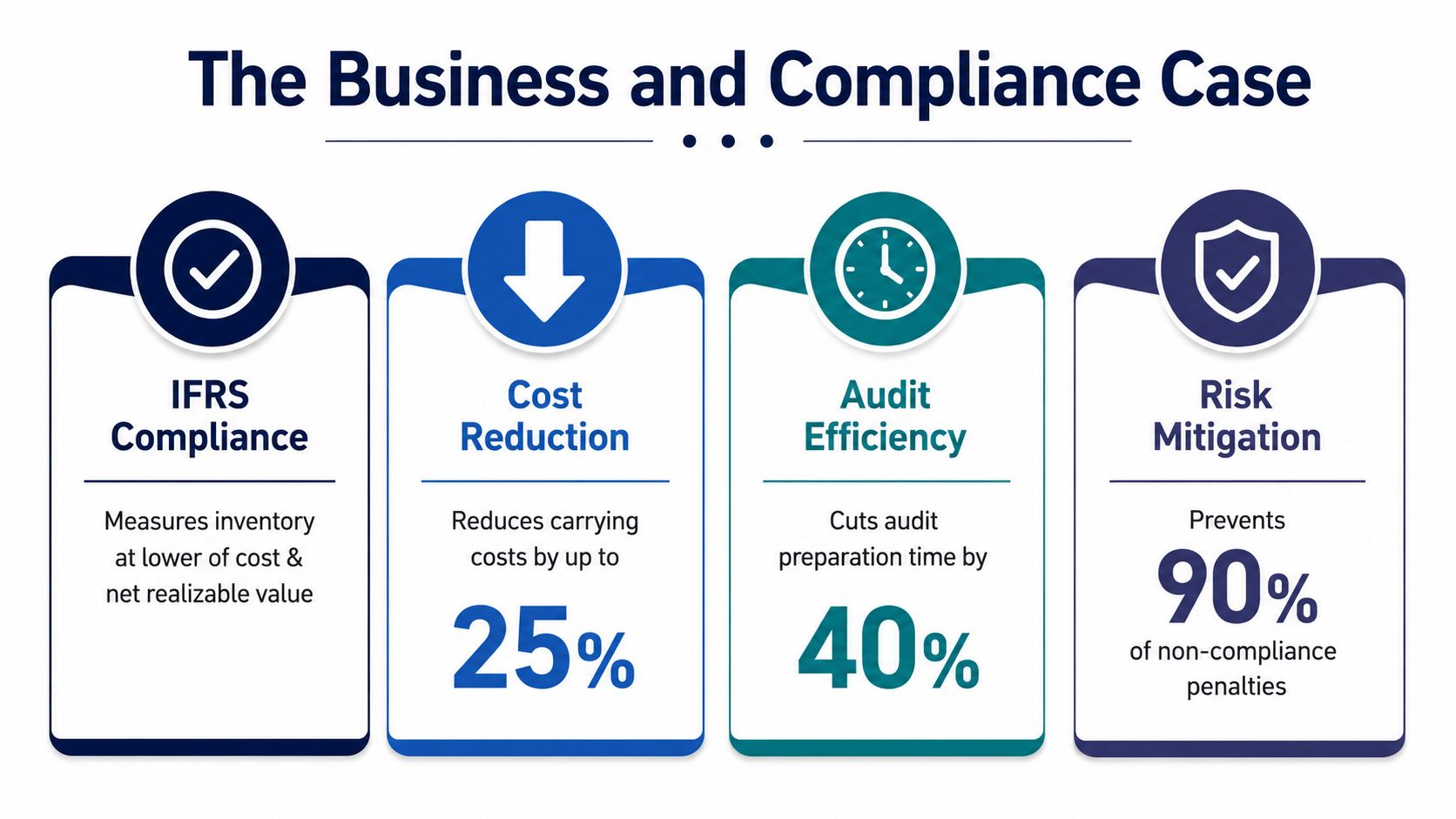
In Canada, the pressure isn't just operational. IFRS requires inventories to be measured at the lower of cost and net realizable value, and Canada adopted IFRS for publicly accountable enterprises in 2011 according to the Canadian-focused inventory overview. That makes visibility a finance issue as much as a warehouse issue, since a missing laptop, a misplaced server, or obsolete stock can change the carrying value shown on the balance sheet.
The old model assumed assets lived in one office, one server room, or one stockroom. That's no longer true for most Canadian SMBs. Devices travel home, cloud subscriptions get added outside procurement, and line-of-business systems keep growing even when the IT team hasn't formally mapped them.
That's why inventory accuracy now sits upstream of cybersecurity, compliance, and budget control. If the record is stale, every downstream decision inherits the error. Patch planning, replacement planning, disposal, and insurance all depend on a trustworthy list of what exists right now.
Practical rule: if an asset can move, be reassigned, be decommissioned, or carry data, it belongs in the inventory.
A Canadian manufacturer will feel this differently than a law firm, but the pattern is the same. Hidden endpoints raise security exposure. Untracked licences create waste. Unreconciled records create audit friction. And once the team has to spend days proving what's real, the inventory has already failed its first job.
For an SMB, asset inventory management means maintaining a current, trusted record of the things the business owns, uses, or pays for, so leaders can track them across people, sites, and systems. The trick is to separate the asset types, because a laptop, a software licence, and a cloud tenant don't behave the same way even if they all appear on an expense line.
Physical hardware covers laptops, phones, servers, printers, switches, medical devices, and production equipment. A healthcare clinic needs to know which laptops can access patient records. A manufacturer needs to know which floor controllers can't be patched during normal operating hours. A legal practice needs to know which devices have handled client files.
Digital assets include software licences, subscriptions, domain names, and rights attached to tools the business already uses. A finance team may care less about the laptop model than about which workstation is tied to regulated workflows. That's where licence assignment becomes part of the inventory, not an afterthought.
Cloud assets include Microsoft 365 tenants, Azure resources, and third-party SaaS accounts. Many SMBs still separate these from “inventory” because they're intangible, but they can still create cost, risk, and compliance exposure if nobody owns them.
If you want a practical comparison of what more mature asset control looks like, a useful external reference is improve asset control in your enterprise, especially for teams trying to connect discovery, ownership, and governance.
A spreadsheet can list assets, but it rarely tells you whether the asset is active, assigned, patched, licensed, or retired.
The important distinction is between a hardware register, a configuration management database, and a true inventory. A hardware register usually lists what was purchased. A CMDB tries to map relationships between assets and services. A good inventory must do both, while staying current enough that finance, operations, and security can rely on it. That's why one source of truth beats departmental files that drift apart as soon as someone changes jobs or sites.
A missing laptop, an unused software licence, and a vendor invoice that keeps renewing in the background all point to the same issue. The business is paying for assets it cannot clearly see. That is why asset inventory management belongs in finance, operations, and security conversations at the same time.
Inventory discipline matters because assets carry cost long after purchase. North American supply-chain data places inventory carrying costs at 20-30% of inventory value per year, and global inventory distortion was estimated at about US$1.77 trillion, with out-of-stocks accounting for roughly US$1.2 trillion as reported in the KPI overview. For Canadian operators dealing with seasonal demand, long transport routes, and tight margins, that kind of waste shows up quickly in working capital and manager time.
Inventory errors also show up in day-to-day decisions. If the business thinks a device, licence, or piece of equipment is available when it is not, purchasing fills the gap, support spends time tracking it down, and finance loses confidence in the numbers. That is how a tracking problem becomes a budget problem.
The same source reports that 58% of retail brands and direct-to-consumer manufacturers operate below 80% inventory accuracy as reported in the KPI overview. That matters because low accuracy does not stay inside the warehouse. It leads to overbuying, stockouts, and extra reconciliation work that pulls people away from higher-value tasks.
For a Canadian mid-market firm, the pressure is often mixed. A finance team may be watching capital plans and write-downs, while IT is trying to track who has which device and whether the software assigned to that user is needed. A sales manager may be carrying a laptop that still has a paid subscription attached, even though the rep moved to a different role months ago.
Privacy and records obligations add another layer. PIPEDA, Quebec Law 25, and sector-specific rules become harder to satisfy when nobody can prove where a device sat, who used it, or whether it was retired cleanly. If your business handles personal information, CloudOrbis's overview of Canadian data privacy laws is a useful way to frame the recordkeeping expectation around devices, access, and disposal.
If the inventory is wrong, the organisation pays twice, once in wasted spend, and again in risk.
That is the clearest way to state the case. Better inventory reduces carrying cost pressure, limits stockout risk, improves audit readiness, and helps show that records match reality. For a mid-market company, that is not abstract governance. It is control over cash, evidence for auditors, and fewer surprises when a security issue or licence review lands on the desk.
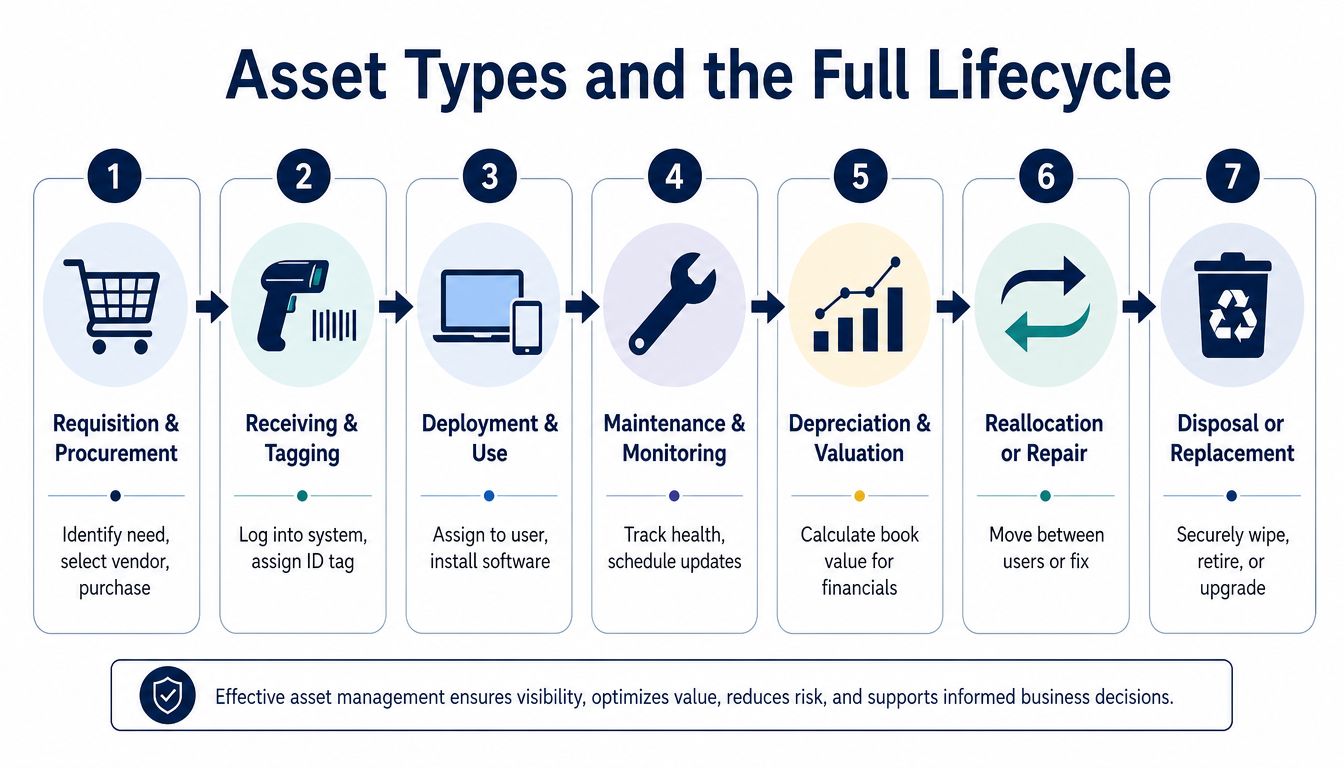
Every asset passes through a series of events, and each event should leave a record. If the record doesn't capture the event, the inventory becomes a historical list instead of an operating tool.
At requisition and procurement, record why the asset was approved and who owns it. That stops duplicate purchases and gives finance a clean trail. At receiving and tagging, capture the serial number, asset tag, and location right away so the device doesn't sit in a grey zone between purchase and use.
During deployment and use, assign the asset to a person, a role, or a site, then record licence assignment if software is installed. A clinic will want to know which mobile device has access to patient information. A finance team will want to know which workstation is tied to a regulated workflow. A law firm will want to know which machine handled client files.
At maintenance and monitoring, log patch status, repair history, and warranty dates. If a production device can't be patched on a standard schedule, that exception should be visible rather than hidden in a technician's notebook.
The next stages are just as important. Reallocation or repair should show who had the asset before and who has it now. Disposal or replacement should record sanitisation, chain-of-custody, and retirement evidence so the business can prove the asset left service properly.
A strong lifecycle record is more than accounting hygiene. It helps the team understand where an asset has been, what data it touched, and whether it still belongs in active use. That's why CloudOrbis's SaaS licence management guidance matters alongside hardware tracking, because licences drift just as easily as devices do.
A fleet-focused guide can also help readers think about movement and accountability across assets, especially for mobile equipment. The same operational mindset appears in browse our 2026 guide for fleet managers, where tracking and lifecycle discipline are treated as one process instead of separate chores.
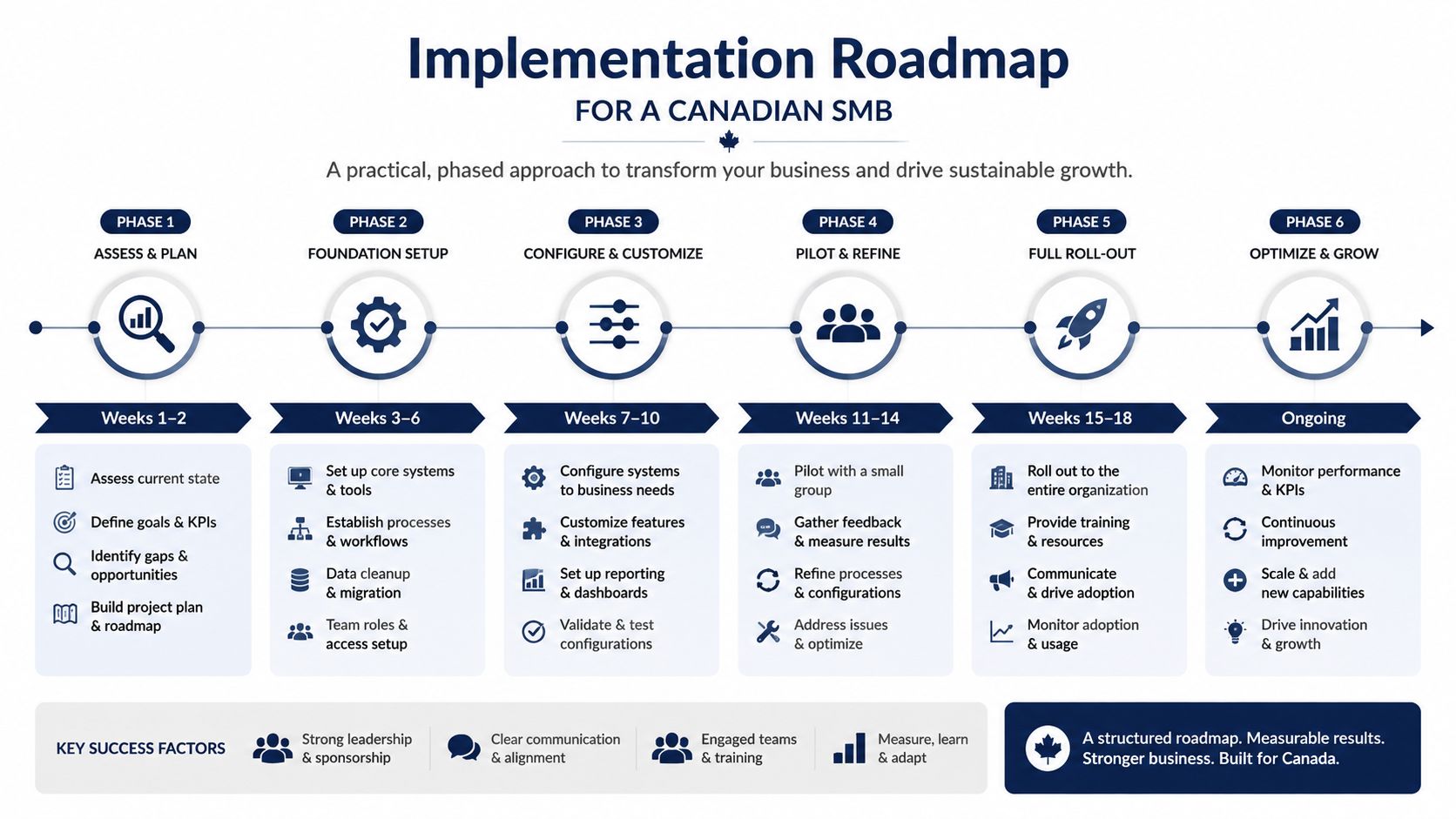
A shared spreadsheet usually works until it doesn't. The break point is rarely dramatic. Someone moves a laptop, a licence gets reassigned, a server is decommissioned, and the file drifts away from reality. Once that happens, the team starts arguing about whose list is right instead of fixing the inventory.
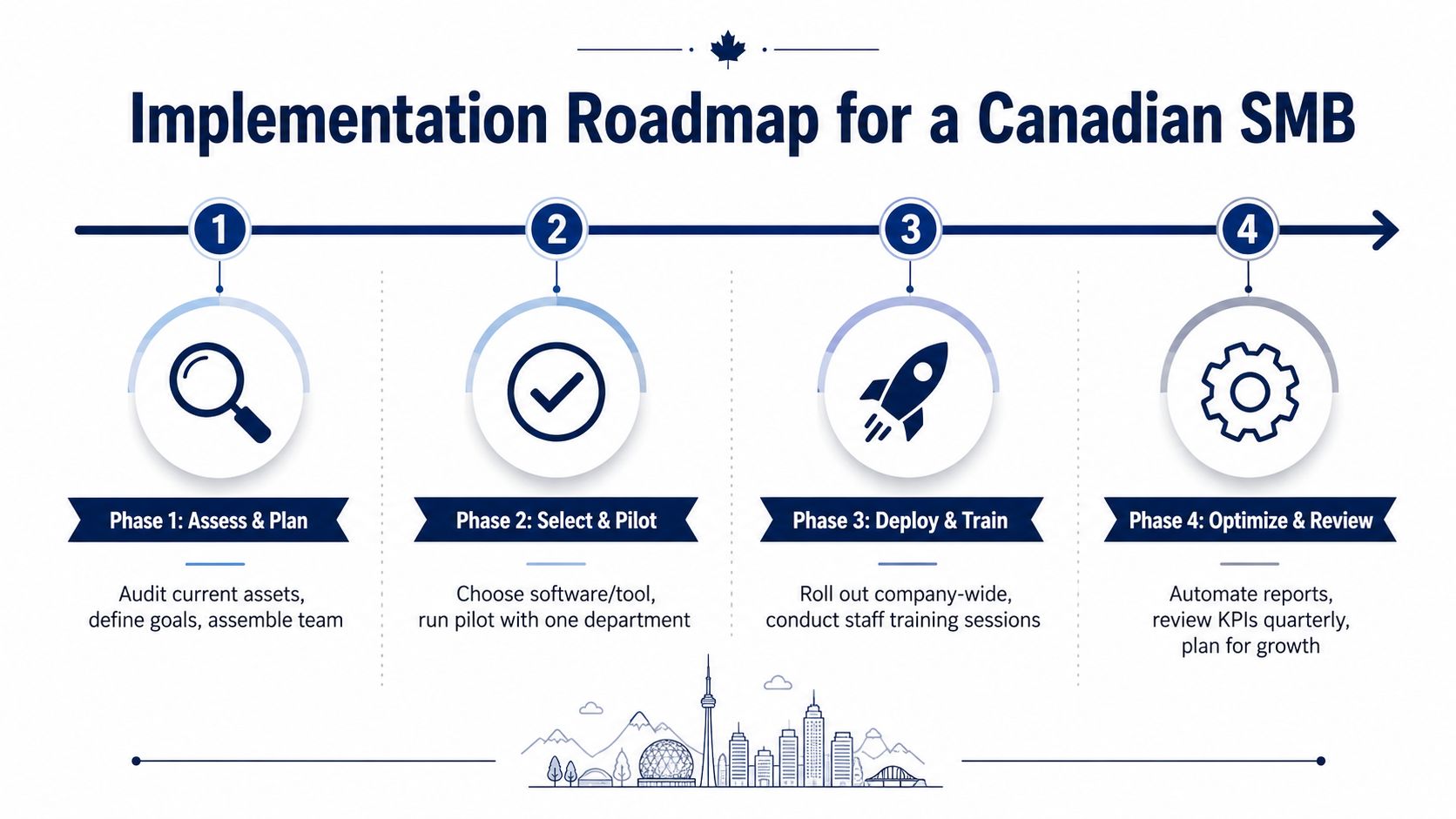
Start by comparing what's on paper with what's physically deployed. Walk the sites. Check the cloud subscriptions. Count the endpoints. Name the asset classes that matter most, then assign a custodian for each class so ownership isn't vague.
Rule of thumb: no asset class should exist without a named owner, a process owner, and a review cycle.
The first month should also define the minimum fields you'll track. For most SMBs, that means serial number, user, location, status, warranty, licence assignment, and retirement state. Don't wait for perfection. Wait for enough structure that records can be reconciled.
Choose tooling that fits the team's scale and skills. A lightweight CMDB may be enough for one business. Another may need Microsoft Intune for devices, a service desk for tickets, and a managed platform to keep everything in sync. The point is to reduce manual re-entry, not to collect more systems that disagree with each other.
If you want a practical comparison of software approaches, CloudOrbis's inventory management software overview is a relevant companion read for teams deciding what level of automation they need.
Automate reconciliation. Let the system flag new devices, missing assets, unassigned licences, and records that haven't been reviewed. Then set a quarterly governance meeting where operations, finance, and IT review exceptions together. That meeting should look at inventory accuracy, under-managed assets, unresolved disposal records, and any licences still attached to retired devices.
One more practical note. The most common mistake is treating inventory as a one-time project. It isn't. It's a routine. When the routine is automatic enough, the business can scale without losing control.
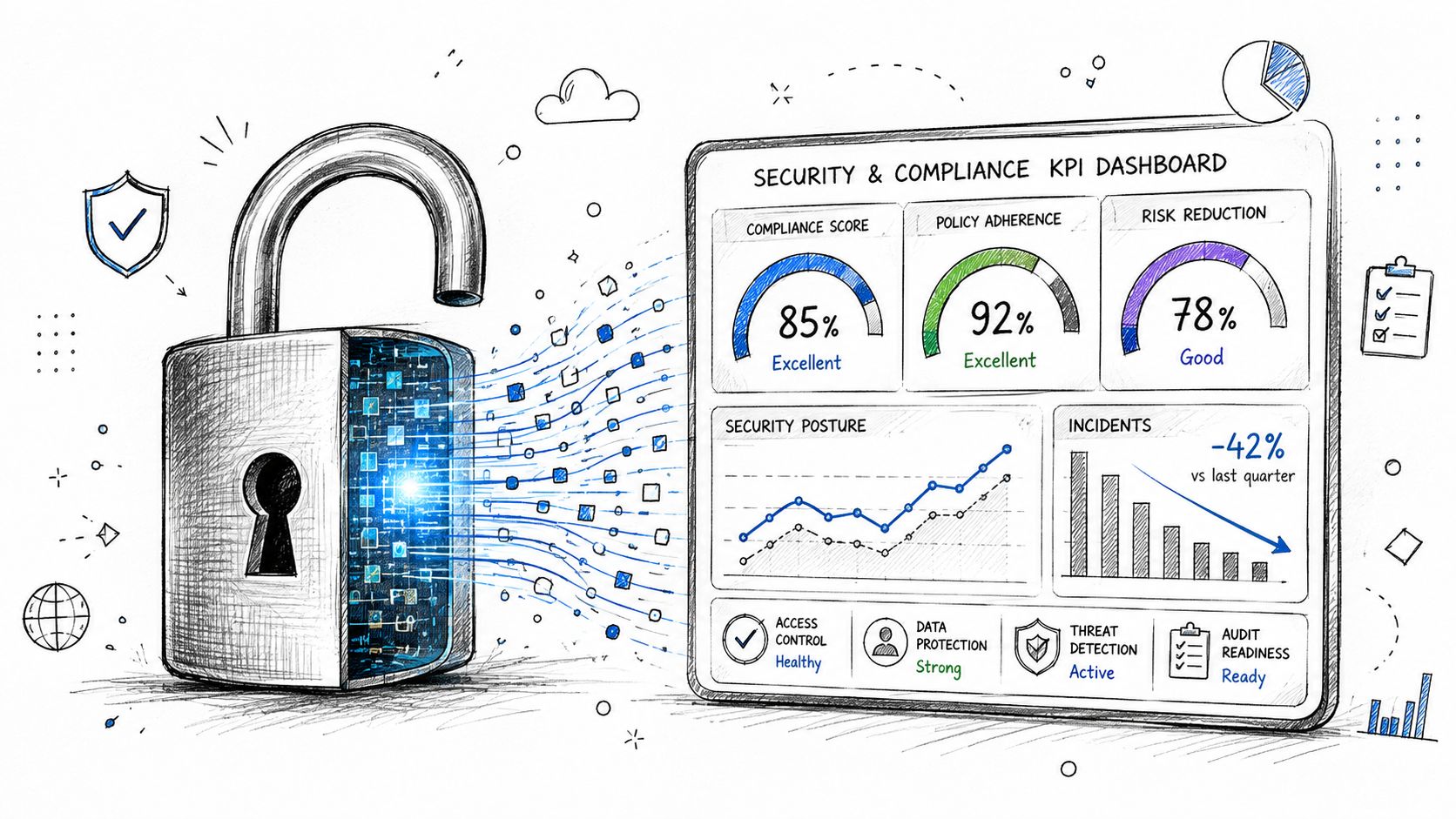
Inventory becomes most visible when something breaks, or when an auditor asks for proof. A complete record helps teams spot vulnerable devices, narrow the scope of an incident, prioritise patches, and show licence compliance without digging through emails and spreadsheets. That matters in Canada because the Canadian Centre for Cyber Security's 2025-2026 National Cyber Threat Assessment says ransomware remains the most disruptive cybercrime, and it reports that 70% of Canadian organizations experienced a cybersecurity incident in the previous year, up from 61% in 2023 as noted in the Canadian cyber risk summary.
A good dashboard does not need to be crowded. It needs a small set of measures that show whether the inventory is trustworthy.
Each KPI answers a different operational question. Operations leaders want to know what is in service and under control. Finance wants to know whether licences, leases, and disposal evidence match the books. Security wants to know where blind spots remain and how fast they appear. Together, these measures show whether inventory is a live control, or just a list that looks tidy on paper.
A stronger inventory also improves the workflow behind mobile device management, because MDM can only govern what it can see. If a phone or tablet never made it into the asset record, policy enforcement becomes uneven very quickly.
The practical lesson is simple. Every unmanaged endpoint is a blind spot. Every unlicensed subscription is a cost leak. Every missing disposal record is a compliance gap. When the inventory stays current, all three problems shrink at the same time.
Some organisations can run inventory entirely in-house. Others need a partner to keep the system current. The right choice usually depends on staff size, regulated data exposure, and how many locations, cloud services, and device types the business has to track.
An internal team works well when IT already owns the tools, the process, and the follow-through. It gives leadership direct control, but it also depends on having enough time and specialist skill to keep records clean. That can be hard when the same team is also handling help desk, security, onboarding, and projects.
A co-managed model fits a clinic or professional firm that wants oversight without doing every task itself. The business keeps accountability, while a partner helps with discovery, reconciliation, reporting, and policy support. In practice, that can be a good fit for a 40-person healthcare clinic that needs consistent reporting without building a full internal security and compliance function.
A fully managed model makes more sense when the environment is larger, more distributed, or more operationally sensitive. A 150-person manufacturer, for example, may need production-floor devices, corporate endpoints, and cloud assets kept in one inventory system, even if internal IT is lean. In that case, an external provider can handle the control loop while leadership focuses on operations.
CloudOrbis Inc. is one example of a Canada-based managed services partner that can support that model with managed IT, cybersecurity, cloud, and strategic consulting.
Outsourcing inventory doesn't remove accountability. It changes who performs the work, not who answers for the result.
That's the question leaders should ask. If the organisation needs accuracy but doesn't have the time or toolset to sustain it, the model should reflect that reality.
Asset inventory management is the upstream control that supports cybersecurity, compliance, and financial accuracy at the same time. For Canadian SMBs, that makes it a business discipline, not just an IT habit. If the record is current, leaders can trust reports, secure devices, reconcile licences, and defend the numbers behind the balance sheet.
The most valuable next moves are straightforward. Clean up the current list. Assign ownership. Reconcile licences and cloud assets. Automate updates where you can. Then review exceptions on a schedule that operations, finance, and IT all respect.
If your business is still working from scattered spreadsheets, this is the quarter to fix it. A proper inventory foundation gives you better control over risk, spend, and service delivery, and it gives your team one version of the truth to work from.
CloudOrbis Inc. helps Canadian organisations build and maintain the IT controls that keep asset records accurate, secure, and audit-ready. If you want help assessing your devices, licences, and cloud inventory, visit CloudOrbis Inc. and start a conversation about managed IT, cybersecurity, and vCIO support for your team.
September 27, 2026
How to Recover from a Ransomware Attack: An SMB PlaybookLearn how to recover from a ransomware attack with a step-by-step SMB playbook covering containment, backup restore, compliance, and post-incident hardening.
Read Full Post
September 26, 2026
On-Premise to Cloud Migration Checklist: 10 StepsUse this on-premise to cloud migration checklist to plan assessment, compliance, backups, sequencing, testing, cutover, and optimization for SMBs.
Read Full Post
September 25, 2026
Is VoIP Good for Small Business in Canada? a 2026 GuideIs VoIP good for small business in Canada? Explore costs, benefits, reliability, security, and migration tips for SMBs considering VoIP in 2026.
Read Full Post
